A push present ring is the piece of jewelry a partner gives to mark a birth — usually a band set with the new baby’s birthstone — and after years of watching couples choose them, the honest take is this: stone size is almost never the part that matters later. What matters is whether the ring still fits, still suits her style, and still feels like hers in five years. If you want the wider category first, a push present jewelry guide covers that ground before you commit to a single band.
Table of Content
What Is a Push Present Ring, Exactly?
Where the Push Present Ring Habit Came From
Gift-giving after childbirth is old; the branded label is new. Families once marked a birth with practical help — meals, a clean house, a modest keepsake — and jewelry entered the picture only when money allowed. The phrase itself spread through social platforms, which is why plenty of grandmothers received a birthstone band decades ago without ever hearing the term. The ring is today’s most photogenic version of an old instinct.
The distinction matters practically. Because the modern label is young, there is no etiquette rulebook attached to it, no expected timeline, and no standardized price point. That freedom is a gift and a trap at once: nobody can tell you what is correct, which means comparison anxiety fills the vacuum if you let it.
Why Birthstones Carry Most of the Meaning
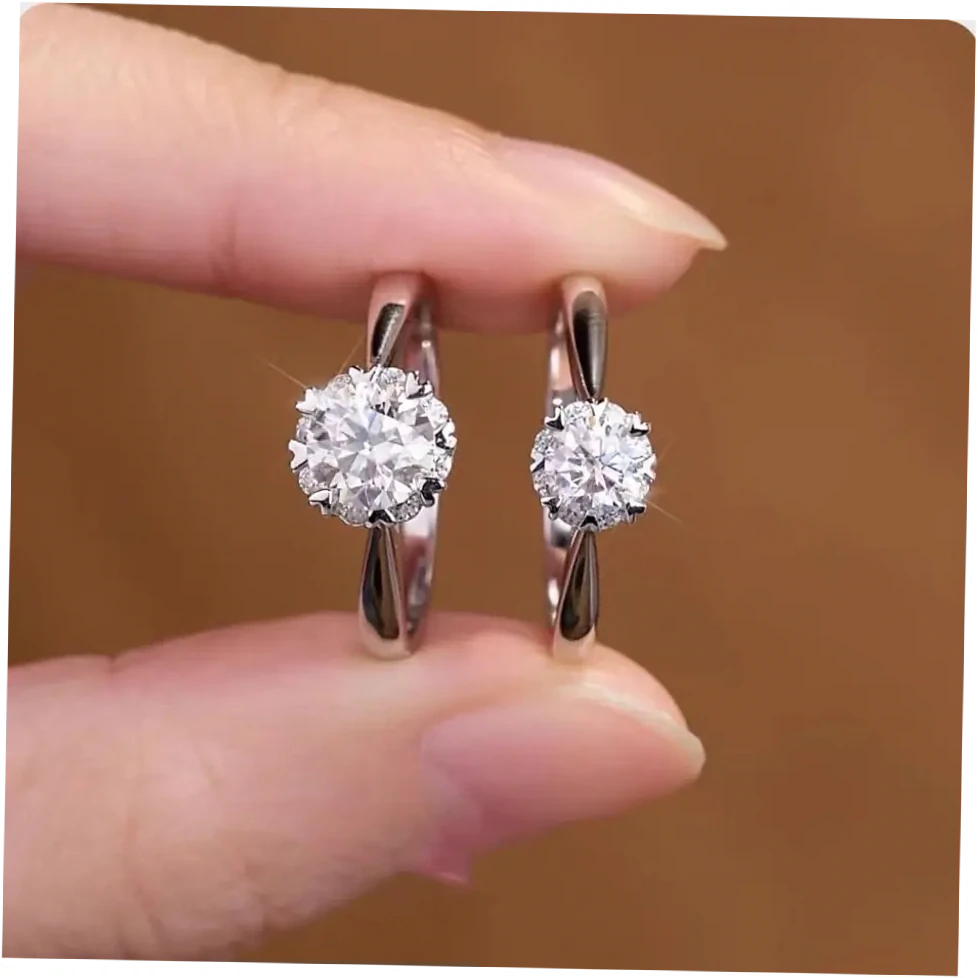
A birthstone gives the ring a job a plain diamond band cannot do: it ties the piece to one specific child and one specific month. That is why the gift is really about memory rather than sparkle. It also explains why adding a second stone for a second baby is so common — the band becomes a running record, and wearers can usually point at each stone and name the child it belongs to.
Metal choice is mostly a wear question, not a meaning question. Yellow and white gold hold up well for daily use, platinum resists scratching longer but costs noticeably more, and sterling silver sits at the affordable end while still accepting a clean engraving. If she already wears one metal every day, match it — a ring that clashes with everything else tends to end up in a drawer.
Who Actually Receives One
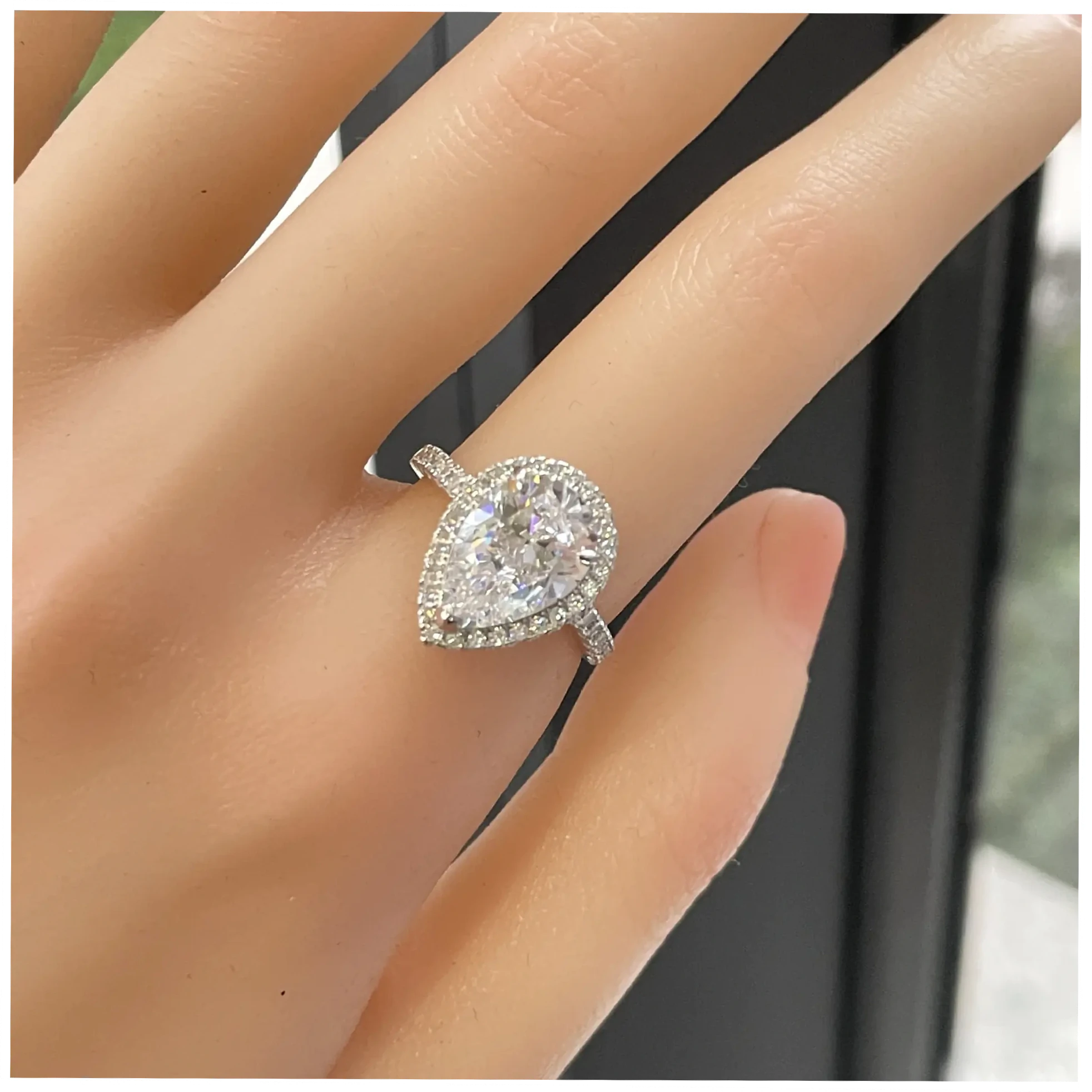
There is no single profile. Some couples exchange rings, some people buy one for themselves, and some skip jewelry entirely in favor of a trip, a stretch of paid help, or a really good meal delivered at 2 a.m. What surprised me most is how often the piece is chosen together rather than sprung as a surprise, which makes sense when the object is worn daily.
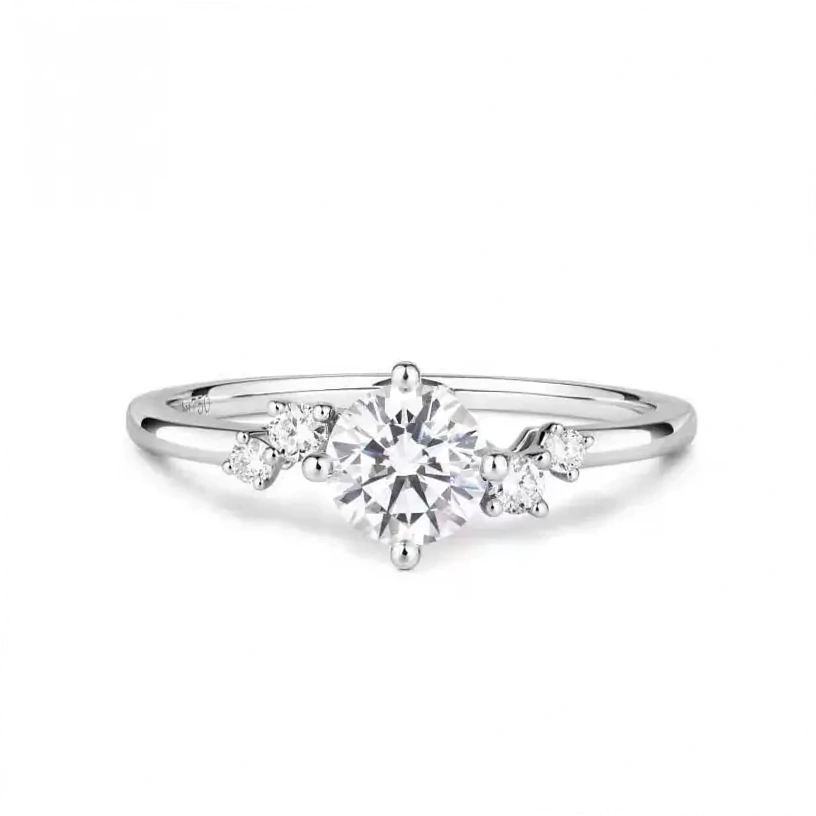
Push Present Ring vs Necklace Options
Ring, Necklace, or Bracelet: An Honest Comparison
Every format carries a trade-off, and the ring’s is sizing. Fingers swell during late pregnancy and shift again afterward, so a band fitted in month eight may not fit in month two post-birth. Necklaces dodge that problem entirely and layer with more outfits. Bracelets sit in the middle — comfortable to wear, but harder to resize than most buyers expect. Choose based on your tolerance for a follow-up jeweler visit.
| Format | Daily Wearability | Resizing Flexibility | Suits Best |
|---|---|---|---|
| Birthstone ring | High — front and center on the hand | Moderate; simple bands resize easily | Anyone who wants a constant reminder |
| Birthstone necklace | Very high — layers with nearly anything | Not applicable; only chain length changes | People wary of tight sizing |
| Birthstone bracelet | Moderate — can catch on sleeves | Limited; links can be removed | Subtle, low-profile tastes |
| Diamond statement ring | Lower — usually saved for occasions | Difficult and costly in pavé styles | Formal wardrobes and larger budgets |
One practical note that gets overlooked constantly: pavé and channel-set bands often cannot be resized without rebuilding the setting, and eternity bands with stones set all the way around have essentially no give at all. A plain band with one stone or three stones is far more forgiving across a decade of weight shifts. If sizing anxiety is real for you, lean simple.
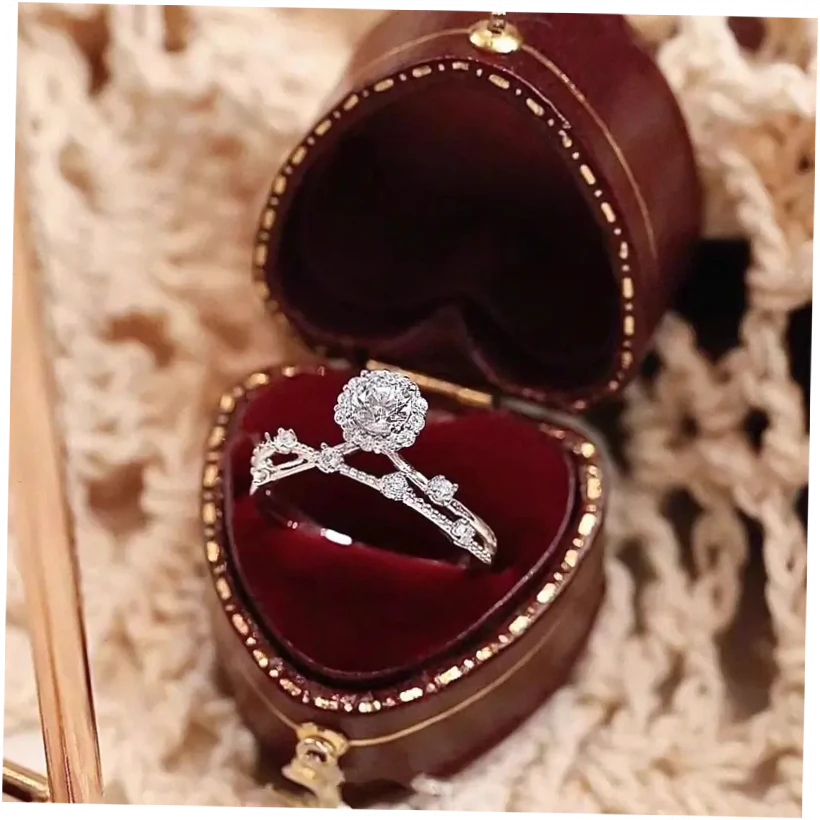
Stackable Bands vs One Statement Piece
Stackable rings win on flexibility. They can be worn alone, layered into a wedding set, or added to as the family grows, which is exactly why so many people describe planning a second stone before the first baby is even sleeping through the night. A single larger stone creates a stronger visual statement but locks the design in place; you cannot casually add to it later without redesigning the entire piece.
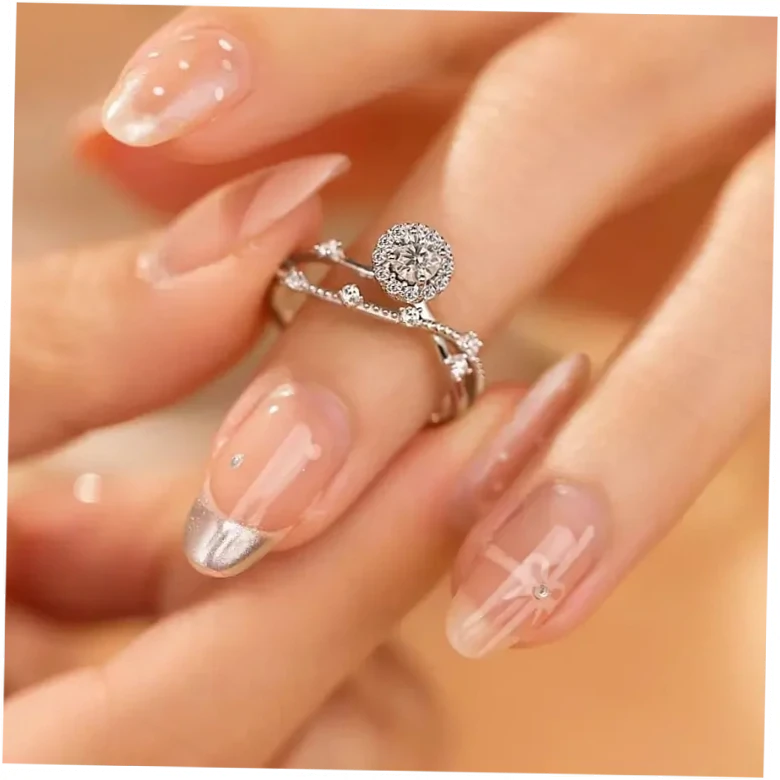
What Goes Wrong With Push Present Rings?
Budget Creep and Comparison Pressure
The most common failure is not a bad stone; it is scale. Comparison shopping online nudges people toward bigger carats, designer names, and price tags that have nothing to do with the relationship. Couples who treat the ring as one gift among several — sometimes folded into an anniversary or birthday — report far less resentment than those who feel they must match a video they watched. A ring is not a scoreboard.
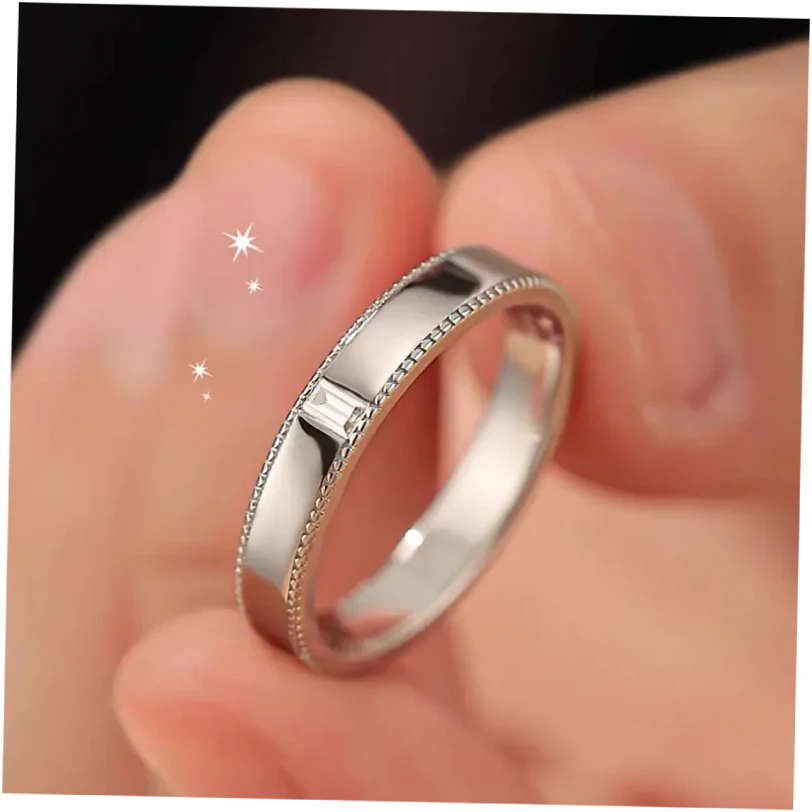
Timing, Sizing, and Engraving Mistakes
Order timing trips people up constantly. Custom pieces can take four to eight weeks, and that timeline rarely cooperates with an unpredictable due date. Measuring early is also risky, because finger size can shift a full half-size or more around delivery. The safer sequence is to lock the design first, hold final sizing until a few weeks postpartum, and keep engraving short — fewer characters means fewer chances of a typo you will read forever.
| Common Claim | What Wearers Actually Say |
|---|---|
| A ring is the only real push present | Plenty of new parents say a quiet meal, a nap, or hired help beat jewelry on day three |
| Bigger stones carry more meaning | Wearers repeatedly name small birthstone bands as the pieces they never take off |
| You can always resize it later | Pavé and eternity bands frequently cannot be resized without rebuilding the setting |
| A surprise is more romantic | Many want to be involved in choosing, since the ring sits on a finger rather than in a box |
| It should stand completely alone | Combining it with an anniversary or birthday gift lowers resentment in a lot of households |
How to Choose a Push Present Ring
Start With the Wearer, Not the Stone
Before you look at a single gemstone, look at the jewelry she already wears. Note the metal color, whether her rings run thin or chunky, whether she stacks, and whether she removes pieces before dishes or workouts. A push present ring should slot into an existing habit rather than demand a new one; anything requiring a lifestyle change usually stops getting worn within a month.
A Decision Path That Actually Works
A simple order of operations removes most of the stress. Set a number you can spend without borrowing. Choose the format — ring, necklace, or bracelet — based on how she dresses. Pick the metal to match what she already owns. Then choose stone and setting last, because that is where budgets quietly explode. Following that sequence keeps sentiment in front and sticker shock in back.
| Priority | What to Look For | Common Mistake |
|---|---|---|
| Daily wearability | Smooth shank, single or three-stone setting | Choosing pavé or full-eternity bands that resist resizing |
| Room to grow | A band designed to be stacked | Buying a wide band that looks crowded once stones are added |
| Budget control | A spending limit set before browsing | Starting the search with the largest stone you can find |
| Avoiding sizing trouble | Final fitting a few weeks after delivery | Shipping to a late-pregnancy measurement |
| Lasting sentiment | Short engraving and a recognizable birthstone | Long inscriptions that date quickly or misspell a name |
One decision is worth making early: is this a one-time gift or the start of a series? If more children are likely, a design that accepts additional stones will save a redesign later. That single choice shapes band width, stone count, and even metal selection far more than any trend does, and it is the one most people wish they had thought through in hindsight.
What Parents Really Say About Push Rings
Patterns That Keep Showing Up
Across the stories I have collected — some from clients, plenty from parenting communities — three patterns hold steady. First, the rings described most fondly are small and specific: one birthstone, a short engraving, a band that survived years of dishwashing. Second, the biggest regrets concern sizing and timing rather than design. Third, the gift that landed best was rarely the most expensive one on the table.
What Gets Worn Five Years Later
Wearable beats impressive, consistently. Bands that stay on hands tend to run under three millimeters wide, sit low, and stay smooth enough not to snag on a car seat strap. Big, high-set stones photograph beautifully and make nervous daily wearers. If you want a piece still in rotation when the child starts school, prioritize comfort over sparkle — advice that holds whether the budget is four hundred dollars or forty thousand.
One closing bit of perspective: a push present is a gift, not a financial obligation. Many households fold it into a broader celebration, and many parents genuinely prefer food, rest, or practical support. There is no scoring system and no required spend, so choose the version your relationship can carry comfortably. If you are still weighing formats, spend an evening reading up on how different families handle the tradition before you buy anything.
Push Present Ring Questions People Actually Ask
Is a push present ring supposed to be a surprise?
It can be, but it does not have to be. Jewelry taste is personal, and a ring is worn against the skin every day, so plenty of couples shop together and treat the reveal as the design rather than the moment. A surprise works best when you already know her metal, her size range, and the styles she reaches for.
What is the difference between a push present ring and a birthstone ring?
Functionally, very little. A birthstone ring simply describes the stones used; a push present ring describes the occasion. Most push present rings are birthstone rings, but a birthstone ring can also mark a birthday, a graduation, or a memorial. The occasion is what separates the two labels.
Can I wear a push present ring every day?
Yes, and many people do. Practical limits come from the setting rather than the concept: high prongs catch on fabric, wide bands feel heavy in summer, and stone-covered shanks can scratch furniture. A low-set band under three millimeters wide with smooth edges is the most forgiving daily option.
How much should a push present ring cost?
There is no accepted figure, and anyone quoting one is guessing. Sensible budgets range from a few hundred dollars for a simple silver or gold band to several thousand for a custom piece with meaningful stones. The only rule worth keeping is that the purchase should not create debt or resentment afterward.
What if my partner cannot afford a ring?
Then the format changes, not the sentiment. Parents commonly swap the ring for a meal from a favorite restaurant, a stretch of paid help, a night of uninterrupted sleep, or a small engraved piece that costs very little. Nothing about the tradition requires jewelry, and nothing about a small gift makes it less real.
Can I add stones to the same ring for later children?
Sometimes, and it depends entirely on the setting. Stackable bands, open-shank designs, and three-stone rings usually accept additions. Full eternity bands and tightly pavé-set shanks generally do not, because there is no space left and no way to resize the piece without a full rebuild.
Is it bad luck to pick the ring before the baby arrives?
That is folklore rather than anything measurable, but the practical caution behind it is genuine. Final ring size can shift significantly around delivery, and a piece ordered to a late-pregnancy measurement may arrive too tight. Design early if you like; commit to the final size afterward.