I’ve built and rebuilt anniversary jewelry by year lists for clients who wanted one meaningful piece instead of another forgotten gadget, and my blunt answer is this: start with the traditional material, then filter it through her daily habits, metal allergies, and ring size. If she never wears pearls, a pearl strand for year thirty will sit in a drawer. If she lifts weights, a high-profile diamond ring may be the wrong daily driver. The right milestone gift is the intersection of symbolism and wearability, not the loudest box under the tree.
Table of Content
- What Does Anniversary Jewelry by Year Mean
- Best Anniversary Jewelry Gifts for Each Milestone
- Which Hand for Anniversary Rings Matters Most
- Promise Ring vs Anniversary Ring: Which Wins
- How to Choose Anniversary Jewelry by Budget
- Biggest Mistakes in Anniversary Jewelry by Year
- How to Plan Multi-Year Anniversary Jewelry Gifts
- How to Make Anniversary Jewelry Gifts Land
- Anniversary Jewelry by Year: Common Questions
What Does Anniversary Jewelry by Year Mean
The Symbolic Material Calendar
Anniversary jewelry by year follows a loose calendar of materials, from paper and clocks for the first year to gold and diamond for the fiftieth and beyond. A first anniversary jewelry gift often leans on paper, clocks, or gold because the modern list rewards durability over novelty. The calendar is not law, but it gives you a ready-made story, which matters when you want the gift to feel chosen rather than ordered in a panic.
Why the Year Matters More Than the Stone
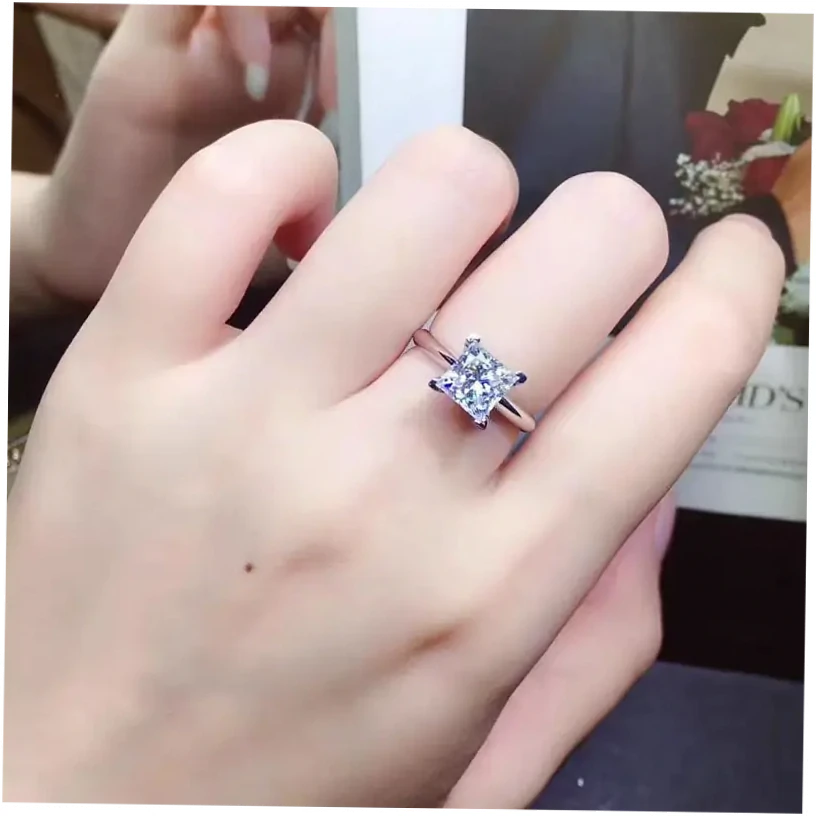
The year carries emotional data: it tells the recipient what you remember, what you value, and how you see the relationship continuing. A diamond can be beautiful, but a diamond given on year ten says something different from a diamond given on year three. I have watched couples argue over carat weight while ignoring the milestone itself, and the gift usually lands flat because the symbol was missing.
How to Read Both Traditional and Modern Lists
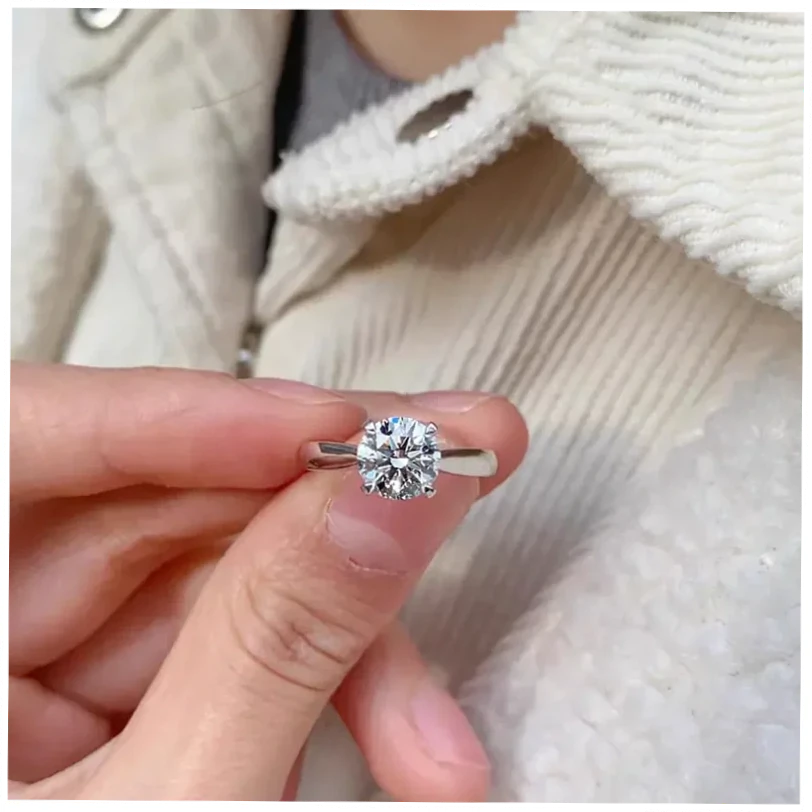
Traditional lists use materials such as wood, tin, crystal, china, silver, pearl, ruby, and gold. Modern lists swap in gemstones, metals, and experiences that fit real life. Read both lists side by side, then choose one element from each: for example, tin for year ten plus a diamond band, or pearl for year thirty plus a gold chain that she will actually wear on weekdays.
Best Anniversary Jewelry Gifts for Each Milestone
Early Years: Paper, Wood, and Silver
Years one through five move quickly through paper, cotton, leather, linen, and wood. Jewelry works best when it borrows the texture or color of the traditional material rather than copying it literally. Think a hammered silver band, a wood-grain pendant, or a leather-cord bracelet with a small gold charm. These pieces feel sentimental without demanding a safe or an insurance rider.
The Tenth Year: Tin, Aluminum, or Diamond
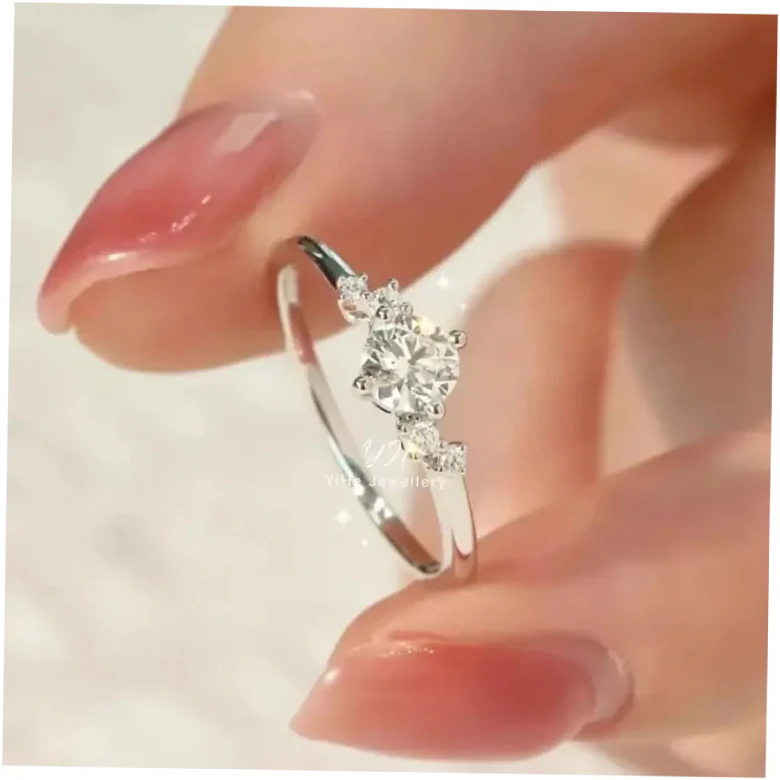
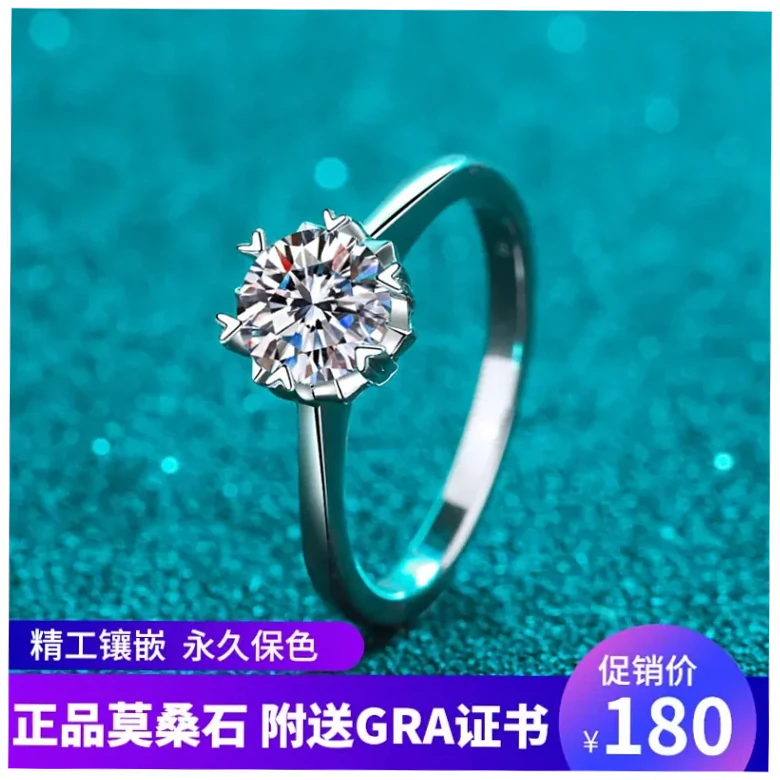
Year ten is the first milestone where many couples upgrade from symbolic to significant. A 10 year anniversary ring often becomes the first serious diamond purchase for couples who skipped an engagement upgrade. Tin and aluminum are the traditional markers, but diamond and sapphire are the modern stand-ins. If she wears rings daily, prioritize a low-profile setting and a comfort-fit band over maximum sparkle.
Later Milestones: Pearl, Ruby, Gold, and Diamond
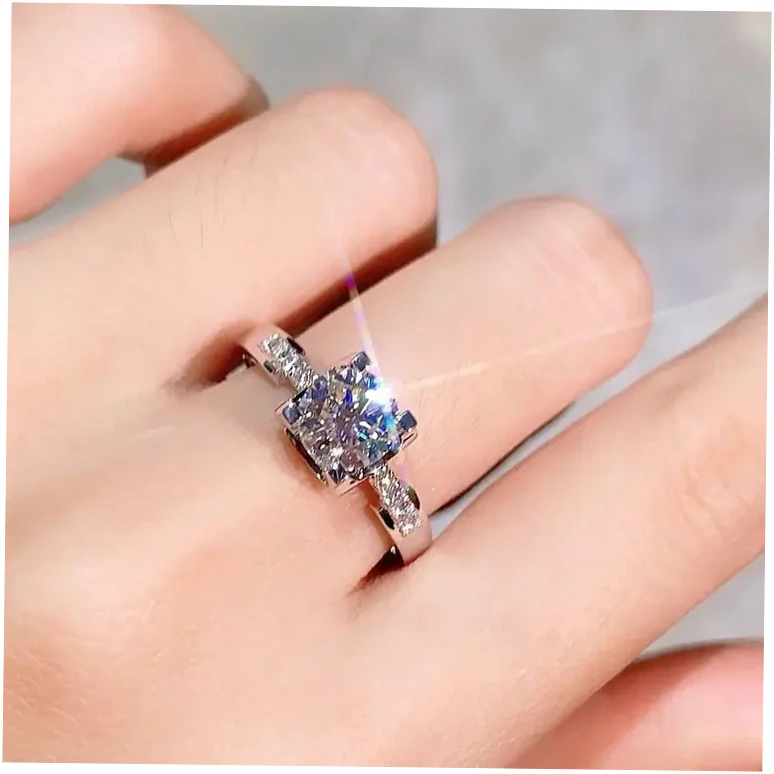
Year thirty is pearl, year forty is ruby, year fifty is gold, and year sixty is diamond. Custom gift designers tell me that the bigger years dominate their order books, especially twenty-fifth, thirtieth, and fiftieth anniversaries. The thirtieth pearl anniversary is especially popular because pearls translate into cuff links, glassware, necklaces, and even decanters. That range makes it easy to match almost any budget, but it also creates a risk: buying pearl-themed clutter instead of one wearable pearl piece.
| Year | Traditional Material | Modern Jewelry Idea | Best For |
|---|---|---|---|
| 1st | Paper, clocks | Gold or silver keepsake pendant | New routines, daily wear |
| 5th | Wood | Wood-grain band or nature-inspired pendant | Casual style, budget starter |
| 10th | Tin, aluminum | Diamond or sapphire anniversary ring | First major jewelry upgrade |
| 15th | Crystal | Crystal-set earrings or bracelet | Date nights, formal events |
| 20th | China | Porcelain-inspired enamel jewelry | Collectors, delicate style |
| 25th | Silver | Sterling silver or white gold band | Stacking, everyday shine |
| 30th | Pearl | Pearl studs, strand, or cuff links | Classic style, milestone event |
| 40th | Ruby | Ruby pendant or eternity band | Bold color, heirloom intent |
| 50th | Gold | Gold necklace, bracelet, or signet ring | Legacy gift, high wearability |
| 60th | Diamond | Diamond solitaire or tennis bracelet | Ultimate heirloom, formal wear |
Which Hand for Anniversary Rings Matters Most
Left Hand vs Right Hand Traditions
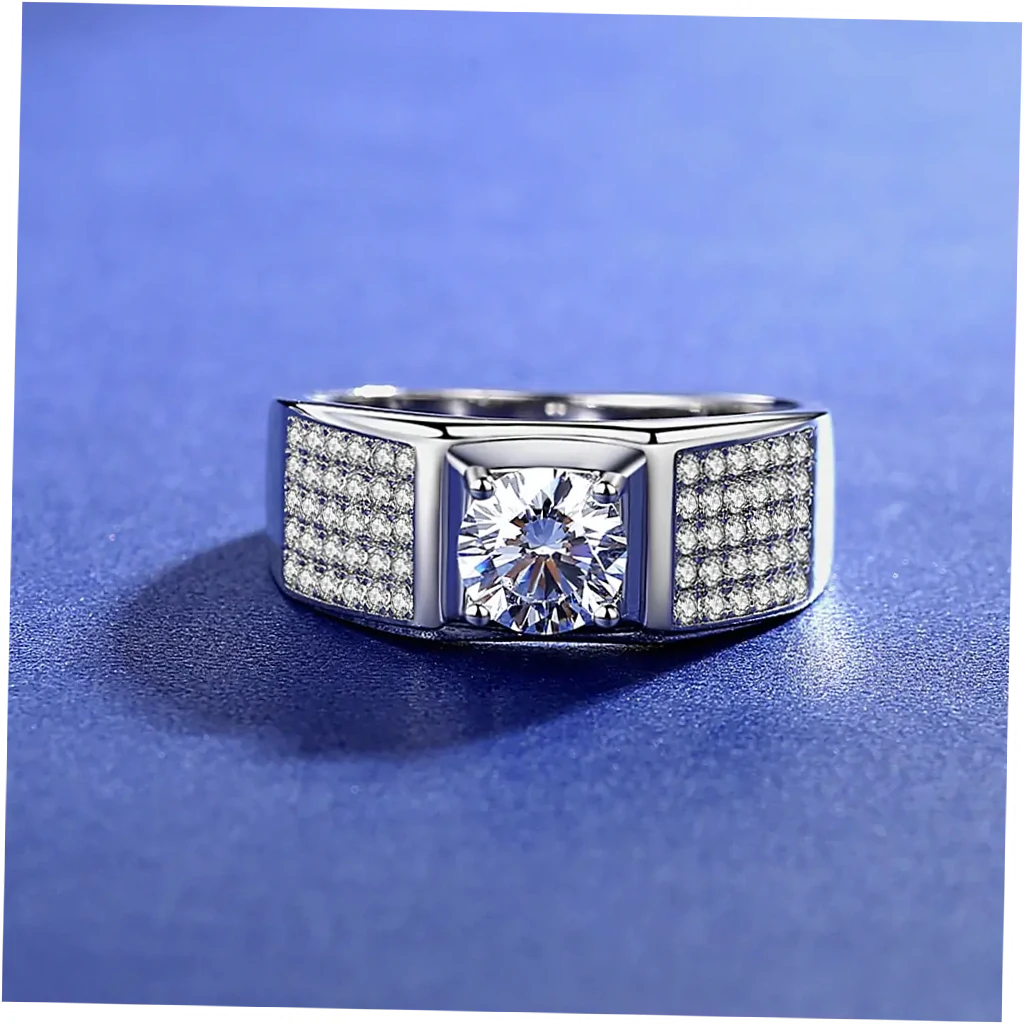
Wedding and engagement rings usually sit on the left ring finger in many Western cultures, while anniversary rings often move to the right hand. Deciding the correct hand for anniversary rings depends on whether the piece is a stand-alone band, a stacker, or a replacement for a lost wedding set. There is no universal law; comfort, culture, and symbolism should lead the decision.
Which Finger and Stacking Rules
The ring finger is the default, but middle and index fingers are common for wider anniversary bands. If she plans to stack, choose a band that is two millimeters narrower than her wedding ring so the set does not rub. If the anniversary ring is the main event, a slightly wider band can announce the milestone without competing with an engagement stone.
Practical Fit and Sizing Checks
Finger size changes with temperature, salt intake, travel, and pregnancy. Measure at the end of the day, when fingers are largest, and avoid sizing during extreme heat or cold. For wide bands above six millimeters, go up a quarter size for comfort. Ask about the return window before purchase, because resizing a channel-set or engraved band can be expensive or impossible.
| Ring Type | Common Hand | Common Finger | Best Use |
|---|---|---|---|
| Thin eternity band | Right hand | Ring finger | Stacking with wedding set |
| Wide anniversary band | Right hand | Middle finger | Stand-alone statement |
| Diamond half-eternity | Left hand | Ring finger | Stacking above wedding band |
| Signet or cigar band | Either hand | Index finger | Bold, gender-neutral style |
| Pearl or gemstone ring | Right hand | Ring finger | Occasional wear, milestone dinner |
Promise Ring vs Anniversary Ring: Which Wins
Meaning and Timing
The choice framed as promise ring versus anniversary ring is not about price but about the message the recipient hears when she opens the box. A promise ring signals future commitment, often before engagement. An anniversary ring marks a milestone already lived. If the relationship has no defined timeline, a promise ring can create pressure; if you have shared years, an anniversary ring usually feels more grounded.
Cost, Resale, and Sentimental Value
Promise rings tend to be smaller, simpler, and easier to replace, which keeps the emotional stakes lower. Anniversary rings often use better metals and stones because they are intended as heirlooms. Neither has strong resale value unless the stones are certified and significant. Buy for sentiment, not investment, and put the money into a design she will wear rather than a brand name inside the band.
Which to Buy for Which Relationship Stage
For a dating couple without engagement plans, a promise ring can be a sweet placeholder. For engaged or married couples, an anniversary ring is the clearer choice because it honors shared history instead of projecting a future promise. If you are unsure, ask what she wants the ring to say to friends, family, and herself. That conversation prevents an expensive mismatch.
How to Choose Anniversary Jewelry by Budget
Setting a Realistic Range
Start with a range you can pay without financing, then decide which element deserves the money. Under two hundred fifty dollars buys sterling silver, gold vermeil, or lab-created stones. Five hundred to fifteen hundred dollars opens solid gold and small natural diamonds. Above five thousand dollars, you enter certified diamond and platinum territory. The best gift is not the most expensive tier; it is the tier that leaves no financial resentment.
Metal and Stone Trade-Offs
Yellow gold hides scratches and suits warm skin tones, while white gold and platinum look crisp but need rhodium plating or polishing. Lab diamonds offer the same optical and hardness profile as mined diamonds at a lower price, though resale is weaker. Moissanite gives more fire for less money. Pearls and opals are soft, so they need protective settings and occasional wear.
Lifestyle Compatibility
Nurses, teachers, chefs, and gym-goers need low-profile settings, secure clasps, and metals that survive repeated handwashing. Remote workers can wear delicate chains and larger stones without snagging on lanyards. If she has nickel sensitivity, choose platinum, palladium, or nickel-free gold. If she wears gloves all day, skip prong-set rings and choose bezel settings or flat bands that will not catch fabric.
Biggest Mistakes in Anniversary Jewelry by Year
Buying Symbolism Without Wearability
The most common mistake is buying the traditional material as a novelty rather than a wearable object. Pearl cuff links for a man who never wears French cuffs, or a ruby pendant for someone who only wears silver, will not get worn. Before you buy, check her current jewelry drawer and note the metals, colors, and sizes she actually repeats. Wearability is the difference between a gift and a guilt object.
Misreading Ring Size and Metal Allergies
Ring size is not static, and metal allergies are not rare. Nickel is a common irritant in white gold alloys, especially in lower-priced imports. If she has reacted to cheap earrings, assume sensitivity and choose inert metals. Also confirm the exchange policy before engraving. A perfectly symbolic ring that cannot be worn or resized becomes a costly lesson.
The Real-World Gap Between Tradition and Daily Use
Custom gift designers report that buyers concentrate on the biggest years, especially twenty-fifth, thirtieth, and fiftieth anniversaries, while smaller years get generic gifts. The thirtieth pearl anniversary stands out because pearls fit many budgets and many product types. That popularity hides a gap: traditional lists assume formal wear, but daily life favors metals that survive hand sanitizer, gym chalk, and toddler grab hands. The table below compares the official script with what buyers actually choose.
| Milestone | Official or Traditional Script | Real Buyer and Designer Pattern | Practical Takeaway |
|---|---|---|---|
| 25th | Silver is the required symbol | Buyers often want white gold for durability and color match | Choose silver-toned metal that fits daily wear |
| 30th | Pearl jewelry and pearl-themed gifts | Very popular; buyers like pearl studs, strands, cuff links, and glassware | Pick one wearable pearl piece over several novelty items |
| 50th | Gold is the classic milestone | Families often pool money for a larger heirloom | Prioritize timeless design and insurance |
| Budget | Assumes a standard luxury spend | Designers see workable gifts at every budget | Set the budget before browsing, not after |
| Wearability | Symbolic material matters most | Clients complain about unused fragile gifts | Match material to real routines |
How to Plan Multi-Year Anniversary Jewelry Gifts
Build a Five-Year Jewelry Roadmap
Write down the next five anniversary years and mark which ones deserve an heirloom, which get a wearable everyday piece, and which get a small symbolic token. For example, year ten might be a diamond band, year eleven a simple gold charm, and year fifteen a crystal pendant. A roadmap prevents panic buying and lets you save for the milestones that matter most to both of you.
Track Sizes, Preferences, and Service Needs
Keep a private note with her ring size, preferred metal color, chain length, piercing details, and any allergies. Add the purchase date, receipt, appraisal, and warranty for every piece. Schedule annual cleaning for diamond rings and pearl restringing every few years if the strand is worn often. Maintenance records make resale, insurance claims, and future upgrades much easier to manage.
When to Upgrade, Restyle, or Add
An anniversary is a natural time to restyle inherited jewelry rather than buy new. A grandmother’s diamond can become a pendant, a brooch can become a ring, and a loose stone can become a stacking band. If the original piece carries strong family meaning, keep it intact and add a new element beside it. The goal is continuity, not replacement.
How to Make Anniversary Jewelry Gifts Land
Before you buy, decide what you want the recipient to feel when she wears the piece on an ordinary Tuesday, not just at the anniversary dinner. That single question filters out fragile pearls for a gardener, heavy rings for a weightlifter, and delicate chains for someone who never removes jewelry. Then set a budget, choose one symbolic element, and confirm the size and return policy. A gift that fits her real life will outlast every trend and every traditional list.
Anniversary Jewelry by Year: Common Questions
What is the traditional jewelry for each anniversary year?
Traditional lists assign materials such as paper and clocks for year one, wood for year five, tin for year ten, crystal for year fifteen, china for year twenty, silver for year twenty-five, pearl for year thirty, ruby for year forty, gold for year fifty, and diamond for year sixty. Modern lists often replace those materials with gemstones or precious metals that suit daily wear.
Is it better to follow the traditional list or buy modern jewelry?
Follow the traditional list for the story and the modern list for wearability. The strongest choice uses both: a traditional symbol in a modern form. For example, a pearl anniversary can become pearl studs instead of a full strand, and a tin anniversary can become a white gold band with a diamond accent. The recipient gets meaning plus daily use.
Which hand should an anniversary ring go on?
There is no universal rule. Many people wear anniversary rings on the right ring finger to keep the left hand for engagement and wedding rings. Others stack the anniversary band on the left ring finger above the wedding band. Choose based on comfort, culture, and whether the ring is meant to stand alone or join a stack.
Can I wear an anniversary ring instead of a wedding ring?
Yes, if the couple agrees. An anniversary ring can replace a wedding band after a loss, resize issue, or lifestyle change. It can also serve as a commitment ring for couples who do not want a traditional wedding set. The important part is that both people understand what the ring represents and where it will be worn.
How much should I spend on anniversary jewelry by year?
Spend what you can pay without debt. A meaningful first or fifth anniversary gift might cost one hundred to three hundred dollars. A tenth anniversary ring often sits between five hundred and three thousand dollars. A twenty-fifth or thirtieth anniversary piece can run higher, but the milestone does not require a specific price. Consistency and thought matter more than a spending threshold.
What are the risks of buying pearl or opal anniversary jewelry?
Pearls and opals are softer than diamond, sapphire, and ruby, so they scratch, dull, or crack more easily. Perfume, hairspray, chlorine, and dry air can damage pearl nacre. Opals can lose moisture and craze in harsh conditions. Choose protective settings, store them separately, and wear them for occasions rather than heavy daily use if you want them to last.
How do I choose between a promise ring and an anniversary ring?
Choose a promise ring when the relationship has a clear future direction but no shared milestone yet. Choose an anniversary ring when you are honoring years already spent together. If the recipient wants a symbol of what comes next, a promise ring works. If she wants proof that you remember what you have built, an anniversary ring is the stronger message.